Harley-Davidson’s Secret Italian Motorcycle Nobody Remembers

Harley-Davidson’s Secret Italian Motorcycle: Big twins, loud pipes, and endless highway miles shaped how the world understands Harley-Davidson. For decades, the brand’s image revolved around torque-heavy V-twins, chrome-soaked cruisers, and an unmistakable sound you could hear long before you saw the bike. That image stuck so well that anything outside it barely registered, even when it wore the same badge.

That said, buried in Harley’s own history is a motorcycle that breaks nearly every rule associated with the brand. It was small, lightweight, and built in Italy, if you can believe it. It chased corner speed instead of straight-line grunt and leaned heavily on racing influence rather than heft and grunt. Harley sold it through official dealerships, and still, most fans either missed it entirely or dismissed it as an odd footnote. All this time later, it’s one of the most forgotten motorcycles ever to carry the Bar and Shield.

The Harley-Davidson Sprint Was Real, And Nobody Remembers It

Engine Power Transmission
246cc, single 18 hp 4-speed
350cc, single 25 hp 4-speed

The Harley-Davidson Sprint was hardly a concept bike or a one-off experiment. It was a full-blown production motorcycle sold through Harley-Davidson dealerships throughout the 1960s and into the early 1970s. You could walk into a showroom expecting a traditional American machine and leave with something that felt entirely foreign.

Built in Italy, the Sprint relied on a small-displacement single-cylinder engine rather than a V-twin. Depending on the version, displacement ranged from 246cc to just under 350cc. These engines were compact, rev-happy, and tuned for efficiency and responsiveness rather than brute force. Harley also sold the smaller Rapido alongside it, following the same basic formula at a lower displacement.

What A Harley Shouldn’t Be

What tied the Sprint and Rapido together was intent. These bikes were designed for agility, everyday usability, and competition potential. They made sense in European markets where licensing laws, fuel prices, and road conditions favored lightweight motorcycles. They also made sense for people interested in racing at the club level. What they didn’t do was fit neatly into the American idea of what a Harley should be.

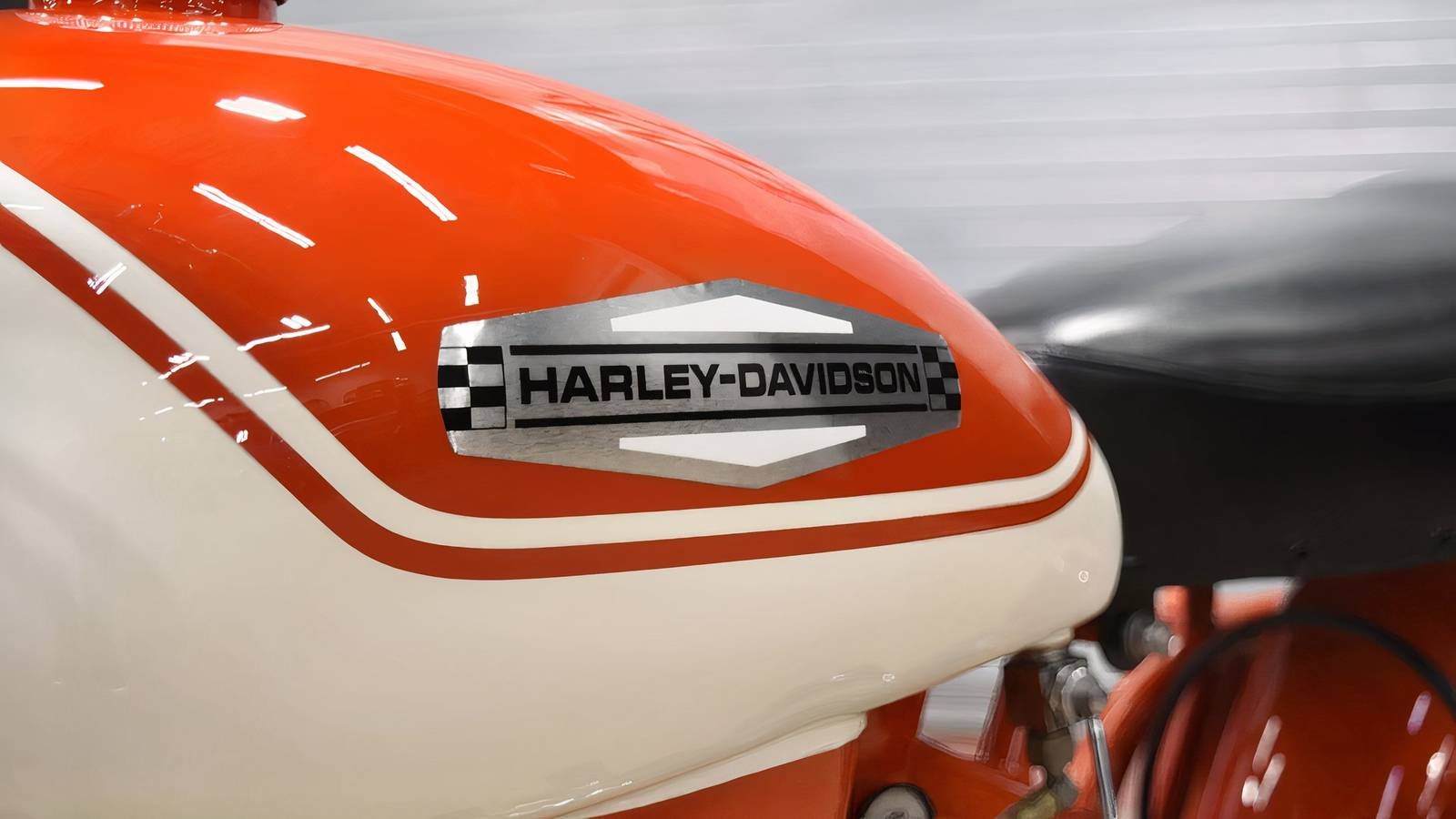
Why The Sprint Felt Like A Harley Only On The Tank

Riding the Sprint revealed just how far removed it was from Harley’s mainstream lineup. The bike’s lightweight frame and narrow proportions immediately set expectations. Riders reported the steering to be quick, the riding position compact, and everything about the bike encouraged momentum rather than muscle.

GMC Hummer EV 2026 Revealed: Extreme Off-Road Capability, Bold Electric Power & Luxury Features

The engine also rewarded revs. Power delivery built steadily instead of surging, and keeping the bike on boil mattered far more than twisting the throttle and letting torque do the work. Narrow tires and minimal bodywork kept weight down, while chrome and visual excess were almost entirely absent. It Here’s a clean, self-contained article (no links, no references out) about Harley-Davidson’s secret Italian motorcycle chapter. If you want it shorter, more dramatic, or split into multiple mini-articles, say the word.
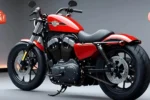
Harley-Davidson’s Secret Italian Motorcycle

When people picture Harley-Davidson, they imagine Milwaukee iron, air-cooled V-twins, and endless American highways. Italy—land of high-revving engines, café racers, and razor-sharp handling—seems like the opposite end of the motorcycle universe. Yet for decades, Harley-Davidson quietly built motorcycles in Italy, creating one of the most surprising and least-known chapters in its history.

This wasn’t a short experiment or a branding stunt. It was a full-blown Italian operation that produced lightweight, sporty machines unlike anything else wearing the Harley badge.

The Unexpected Italian Alliance

Harley-Davidson’s Italian story begins in the early 1960s, when the company faced a serious problem. Japanese manufacturers were flooding global markets with small, affordable, and reliable motorcycles. Harley’s heavyweight cruisers couldn’t compete in that space, especially in Europe.

The solution came through Aermacchi, an Italian company better known for building aircraft than motorcycles. Aermacchi already produced small-displacement bikes popular across Europe. In 1960, Harley-Davidson purchased a 50% stake in the company, later taking full control.

Just like that, Harley-Davidson became an Italian motorcycle manufacturer.

2026 Honda Shadow 750: Classic Cruiser Spirit Meets Modern Refinement

Italian Motorcycles, American Badges

The bikes that emerged from this partnership were radically different from anything built in Milwaukee. They were:

Yet they wore Harley-Davidson logos.

Models like the Harley-Davidson SprintSS-350, and SX-250 looked more at home tearing through Alpine switchbacks than cruising Route 66. Some were street bikes, others were scramblers and dirt racers, and a few became surprisingly competitive in European racing series.

For many American riders, these bikes felt confusing—even heretical. A Harley that revved high, weighed little, and handled corners well? It challenged everything the brand stood for.

Racing Success Nobody Talks About

While the bikes struggled to win over traditional Harley customers, they quietly found success on racetracks. Italian-built Harleys competed in road racing and off-road events throughout Europe, earning wins and respect in classes where Harley-Davidson had never been relevant before.

These machines helped Harley learn something crucial: performance wasn’t just about displacement and torque. Handling, balance, and engine efficiency mattered—lessons that would echo decades later.

Why Harley Walked Away

By the early 1970s, Harley-Davidson was in trouble. Quality issues, financial strain, and growing Japanese dominance forced the company to narrow its focus. The Italian operation, despite its technical success, didn’t fit Harley’s core identity—or its struggling balance sheet.

In 1974, Harley sold Aermacchi to another Italian manufacturer, effectively ending its European lightweight experiment. The Italian Harleys faded into obscurity, remembered mainly by collectors and vintage racing enthusiasts.

The Italian Ghost Returns

Years later, Harley-Davidson flirted with Italy again—this time at the high-end performance level—by acquiring MV Agusta, one of the most prestigious names in Italian motorcycling. The move hinted at a future where Harley might blend American muscle with Italian design flair.

That future never arrived. Harley sold MV Agusta after only a few years, once again stepping away from Italy’s sport-bike world.

But the pattern was unmistakable: whenever Harley looked beyond its traditional comfort zone, Italy was waiting.

Leave a Comment

Floating WhatsApp Button WhatsApp Icon