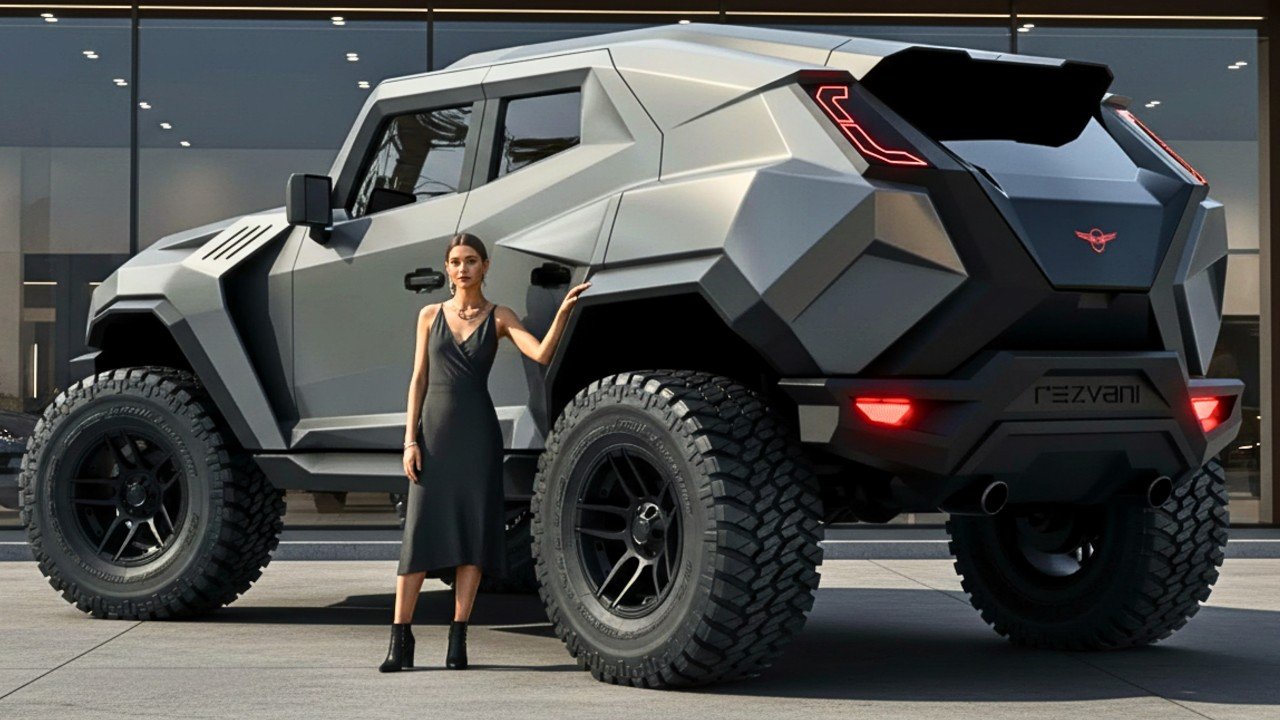
Gunfight-Ready SUV Exposed: In a world where personal safety and situational threats are real concerns for many, a new category of “gunfight ready” SUVs has emerged — vehicles designed, modified, or marketed as offering enhanced protection in active threat scenarios. But beyond the bold claims and rugged looks, the big question remains: Can these SUVs really save lives when it matters most?
Let’s break down what makes such vehicles different, what they can do, and what they cannot promise.
What Does “Gunfight Ready” Really Mean?
The term “gunfight ready” sounds dramatic — and that’s because it is. In the automotive world, it typically refers to SUVs that have been modified or built with features intended to offer protection in high-risk situations. These can include:
- Armored body panels and glass designed to resist small-arms fire
- Run-flat tires that keep rolling after punctures
- Reinforced chassis and underbody protection
- Secure communication systems and surveillance equipment
But this label is not universal. It’s important to understand that there is no single industry standard that defines exactly what qualifies a vehicle as “gunfight ready.” Some are lightly armored, while others are built to withstand serious threats — and much of that depends on the manufacturer or customizer.

Protection Levels: What’s Realistic?
Armored vehicles come in levels — and the type of threat they can withstand varies significantly:
1. Light-Level Protection
- Stops handguns and small caliber threats
- Reinforced doors and glass
- Often added to civilian SUVs for peace of mind
This is useful for everyday safety but not enough for high-caliber assault threats.
2. Mid-Level Protection
- Resists larger handgun rounds and some rifle calibers
- Thickened panels and ballistic glass
- Some underbody blast mitigation
- This level offers serious defense for urban or known threat environments.
3. High-Level (Tactical) Protection
- Built for military or security forces
- Protection against high-velocity rifles and explosive threats
- Specialized suspension and reinforced structure
- These capabilities are extreme and typically not found in mass-market SUVs.
The key takeaway: not all armored or “ready” SUVs are created equal.

Can a “Gunfight Ready” SUV Really Save Lives?
The honest answer: Maybe — but only in specific scenarios.
Here’s what such vehicles can realistically offer:
1. Increased Protection in Targeted Threats
Armored SUVs can reduce injury risk when facing small arms fire, depending on protection level. They can also give occupants more reaction time in dangerous situations.
2. Confidence and Peace of Mind
For people who travel in high-risk areas — government officials, security professionals, journalists, or certain civilians — enhanced protection can provide real psychological and practical benefits.
3. Escape Capability
With run-flat tires, fortified doors, and reinforced bodywork, occupants can potentially escape an ambush or violent confrontation faster and safer than in a normal vehicle.
But there are also important limits:
What These Vehicles Cannot Guarantee
- Absolute immunity to all threats: Armored glass and panels have limits; very high-powered rifles or armor-piercing rounds can still penetrate.
- Protection from all attack types: IEDs, explosives, and military-grade weapons often exceed civilian armor capacity.
- Prevention of violence: A vehicle does not deter attackers; it only improves survivability once a threat occurs.
Practical Considerations Before You Buy
If you’re considering a “gunfight ready” SUV, here are key questions to ask:
- What ballistic protection level does it offer?
- Has the armor been professionally tested and certified?
- Does additional weight affect handling, braking, or fuel economy?
- Is maintenance and repair support available locally?
Heavily armored vehicles weigh significantly more, which can impact performance and safety systems like airbags and suspension if not properly engineered.
Conclusion: Powerful, But Not Invincible
The idea of a “gunfight ready SUV” is eye-catching, but it’s important to separate marketing hype from real capability. In the right context — with proper armor, tested protection levels, and professional installation — these SUVs can improve survivability in dangerous situations. However, they are not a magic shield against all threats, and they come with trade-offs in weight, performance, and cost.
Ultimately, these vehicles are tools — not guarantees. When used with situational awareness, proper training, and realistic expectations, a gunfight-oriented SUV can be part of a safety strategy. But it shouldn’t be mistaken for an invincible fortress.
